
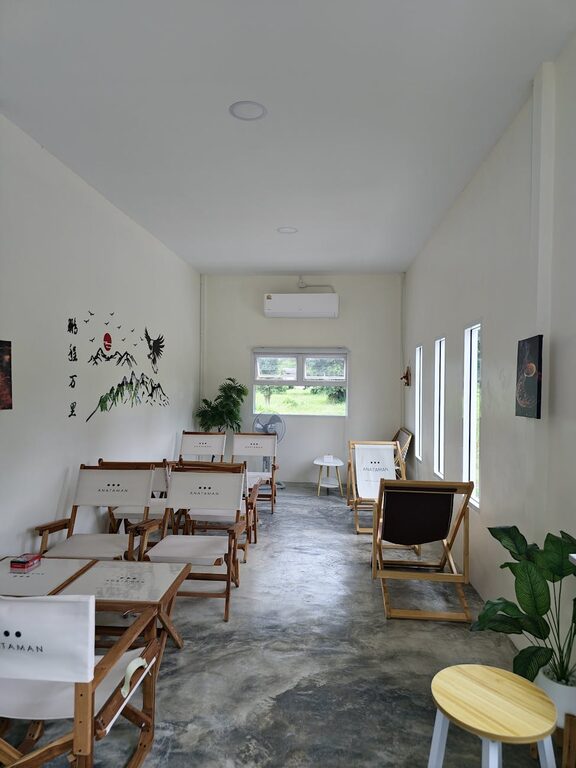
Bringing plants into your living space is one of the easiest and most rewarding ways to refresh your home. Not only do plants add natural beauty and color, but they also improve air quality and create a calming atmosphere. Whether you’re a seasoned green thumb or just starting out, incorporating plants into your home can transform your surroundings with a little care and creativity.
In this post, we’ll explore practical tips on choosing the right plants, placing them effectively, and maintaining their health for a vibrant, refreshing home environment.
Why Add Plants to Your Home?
Plants do more than decorate a room. Here are some key benefits of adding plants to your home:
– Improve Air Quality: Many plants naturally filter toxins and increase oxygen levels.
– Boost Mood: Studies show that being around plants can reduce stress and elevate your mood.
– Enhance Decor: Lush greenery complements a variety of interior design styles.
– Bring Nature Inside: Plants create a connection with the outdoors, ideal for urban living.
Now, let’s dive into how to select and care for plants that will thrive in your particular space.
Choosing the Right Plants for Your Home
When picking plants, consider factors such as light, space, and your level of experience. Here are some plant options for different conditions:
For Low-Light Areas
– Snake Plant: Tolerates low light and infrequent watering.
– ZZ Plant: Hardy and low-maintenance.
– Pothos: Trailing vine that thrives in indirect light.
For Bright, Indirect Light
– Spider Plant: Easy to grow and produces small baby plants.
– Philodendron: Stylish and adaptable.
– Peace Lily: Adds elegance with its white blooms.
For Sunny Spots
– Succulents: Store water in their leaves, great for sunny windowsills.
– Aloe Vera: Useful for skin care and requires minimal water.
– Cactus: Perfect for dry, bright environments.
For Beginners
– Golden Pothos: Very forgiving if you forget to water occasionally.
– Dracaena: Tolerates a variety of conditions.
– Rubber Plant: Good for bright indirect light and adds bulk to your décor.
Placement Tips for Maximum Impact
How you arrange your plants affects both aesthetics and plant health. Keep these tips in mind:
– Create Groupings: Group plants with similar light and water needs together for easy maintenance and visual appeal.
– Vary Heights and Textures: Use a mix of tall and short plants or leafy and spiky textures to add dimension.
– Use Decorative Pots: Containers can enhance your home’s style. Choose colors and designs that complement your décor.
– Consider Vertical Space: Use shelves, hanging planters, or wall-mounted holders to make use of vertical areas.
– Mind Accessibility: Place plants where you can easily water and care for them without hassle.
Essential Plant Care Tips
Proper care helps your plants thrive and keeps your home looking fresh.
– Watering: Most plants prefer their soil to dry out slightly between waterings. Check soil moisture before watering.
– Light: Match your plants’ light requirements with their placement for optimal growth.
– Fertilizing: Use a balanced, water-soluble fertilizer during growing seasons following package directions.
– Pruning: Remove dead leaves and trim overgrown branches to encourage growth and keep plants tidy.
– Repotting: When plants outgrow their pots, transfer them to a slightly larger container with fresh soil.
Creative Ways to Display Plants
Ready to get creative? Here are some ideas to add greenery in novel and attractive ways:
1. Terrariums
Miniature indoor gardens in glass containers are perfect for succulents, air plants, or moss. They are low-maintenance and can serve as elegant tabletop accents.
2. Hanging Planters
Hanging plants like pothos or spider plants clear up surface space and bring greenery eye level or above.
3. Windowsill Gardens
Arrange herbs or small potted plants on your kitchen or living room windows for easy access and extra sunlight.
4. Plant Corners
Dedicate a corner of a room to a collection of various plants, mixing different sizes and textures to create a lush focal area.
5. Floating Shelves
Install shelves on a wall to display plants, artfully combining greenery with decorative items.
Troubleshooting Common Plant Issues
Even with the best intentions, you might face issues like yellowing leaves, pests, or slow growth. Here’s a quick guide to common concerns:
– Yellow Leaves: Often caused by overwatering or poor drainage.
– Brown Leaf Edges: Usually a sign of low humidity or underwatering.
– Pests: Look for small insects or sticky residue; remove pests with gentle washing or insecticidal soap.
– Leggy Growth: Plant stretching toward light; move to a brighter location.
Final Thoughts
Refreshing your home with plants is a wonderful, affordable way to breathe new life into your space. With a little thought about the type of plants, their placement, and ongoing care, you can create a green oasis indoors. Start small, experiment with different plants, and enjoy the natural beauty they bring!
Happy planting!
