
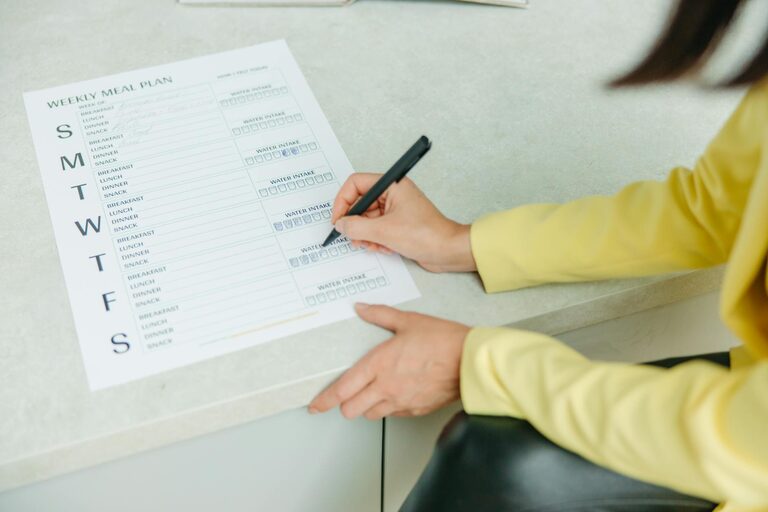
Creating a weekly meal plan is a fantastic way to organize your cooking, reduce food waste, and save time during busy weekdays. If you’re new to meal planning or just want to simplify the process, this guide will walk you through how to create a straightforward weekly meal plan that fits your lifestyle and tastes.
Why Create a Weekly Meal Plan?
Before diving into how to make a plan, it helps to understand the benefits:
– Saves time: Knowing what you’ll cook ahead means fewer trips to the grocery store and less daily decision-making.
– Reduces stress: Less worry about what to eat each day helps you focus on other priorities.
– Promotes healthier eating: Planning meals allows you to balance nutrition and control portions.
– Prevents food waste: When you buy only what you need, leftovers and expired items decrease.
– Saves money: With a clear grocery list, impulse purchases drop significantly.
Step 1: Assess Your Weekly Schedule
Start by looking at your week ahead to identify how much time you’ll have for cooking.
– Which days are busy? Consider quick meals or leftovers on those days.
– Do you have social events or eating out planned? Note these to avoid overplanning.
– Who will be eating with you? Account for family members or guests.
This gives you a realistic framework to plan meals that match your availability and commitments.
Step 2: Choose Your Meals
Divide your week into breakfast, lunch, dinner, and snacks. Simplicity works best here.
Breakfast Ideas
– Overnight oats
– Smoothies
– Scrambled eggs with toast
– Yogurt with fruit and granola
Lunch Options
– Salads with protein (chicken, beans, tofu)
– Sandwiches or wraps
– Leftovers from dinner
– Soups or stews
Dinner Plans
Try to pick 3–5 dinner recipes for the week. Consider meals that:
– Use similar ingredients to reduce shopping list variety
– Can be batch-cooked and reheated
– Include plenty of vegetables and protein
Examples:
– Stir-fry with veggies and chicken
– Spaghetti with tomato sauce and a side salad
– Baked fish with roasted vegetables
– Vegetarian chili
– Homemade pizza with assorted toppings
Snacks
Include easy, healthy snacks like nuts, fruit, carrot sticks, or cheese.
Step 3: Make Your Grocery List
Once meals are selected, write down all ingredients needed.
– Check your pantry and fridge to avoid duplicates.
– Organize the list by store sections: produce, dairy, grains, etc.
– Include quantities to help estimate how much to buy.
This saves time at the store and ensures you have everything required for the week.
Step 4: Prep Ahead if Possible
Meal prepping can make busy days easier.
– Chop vegetables in advance.
– Cook grains (rice, quinoa) early and store in the fridge.
– Portion snacks or breakfast items for grab-and-go.
– Prepare one or two full meals early to reheat later.
Even 30 minutes of prep can reduce cooking time throughout the week.
Step 5: Stick to Your Plan but Stay Flexible
Remember, meal plans are guides, not strict rules.
– If plans change, swap meals or use leftovers.
– Don’t stress if you eat out one night—adjust the plan to avoid waste.
– Experiment and tweak the plan so it suits your taste and schedule better next time.
Tips for Successful Meal Planning
– Use a notebook, app, or calendar to keep track.
– Keep your recipes simple with fewer ingredients.
– Involve family members in choosing meals.
– Try theme nights—like Pasta Monday or Taco Tuesday—to make planning fun.
– Rotate meal ideas weekly to avoid boredom.
Final Thoughts
Starting a weekly meal plan doesn’t have to be complicated. With small steps like assessing your schedule, choosing simple meals, making a clear grocery list, and prepping ahead, you can enjoy stress-free and healthy eating every day. Give it a try next week—you might be surprised at how much it helps!
